ISO 20022 Postal Address Fields (PstlAdr): TwnNm, Ctry, and AdrLine Reference
Sanctions, AML, KYC, Travel Rule — how ISO 20022 structured addresses cut false positives 25–30%, expose shell company networks, and transform audit evidence.
Stay ahead of ISO 20022 migration with expert analysis, technical deep-dives, and strategic guidance on structured address resolution for global payments.
Sanctions, AML, KYC, Travel Rule — how ISO 20022 structured addresses cut false positives 25–30%, expose shell company networks, and transform audit evidence.
Structured and hybrid ISO 20022 addresses require identical implementation effort. Here's why defaulting to structured delivers 30–50× better outcomes.
The ISO 20022 migration is the payments industry's best chance in thirty years to fix cross-border data quality. With coordinated mandates and production-proven technology, the opportunity extends far beyond compliance. The question is whether we seize it — or settle for "good enough" again.
The payments industry declared victory on ISO 20022 adoption. But format compliance without data readiness is a pattern I’ve watched repeat for 30 years—and it always ends the same way.
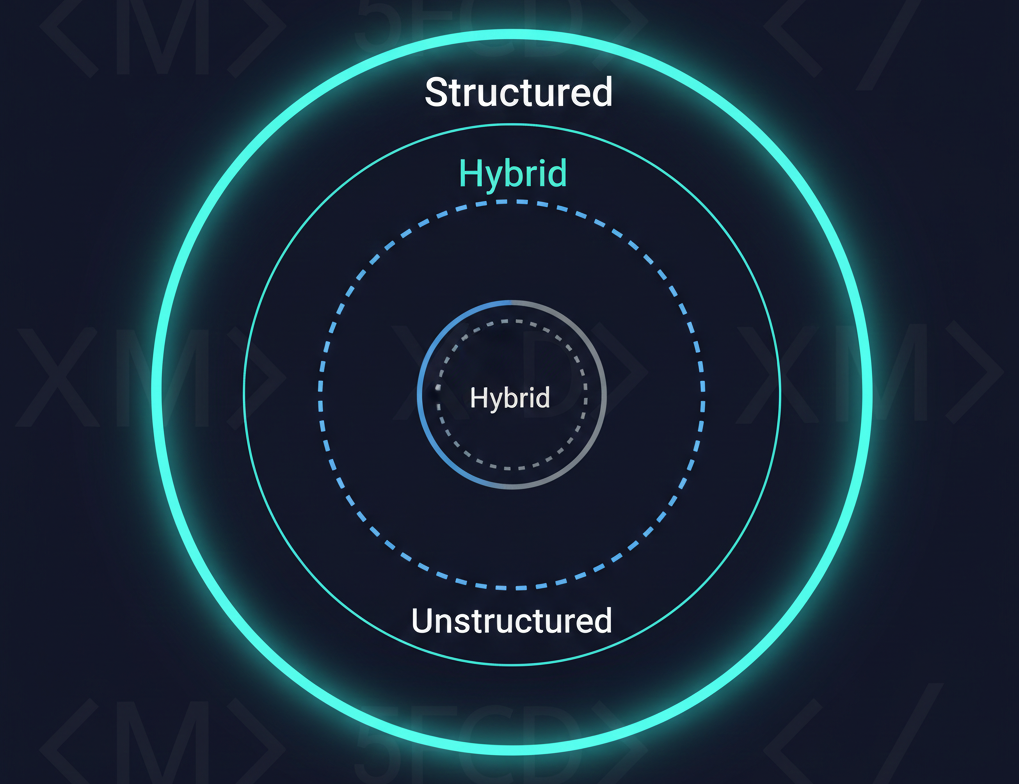
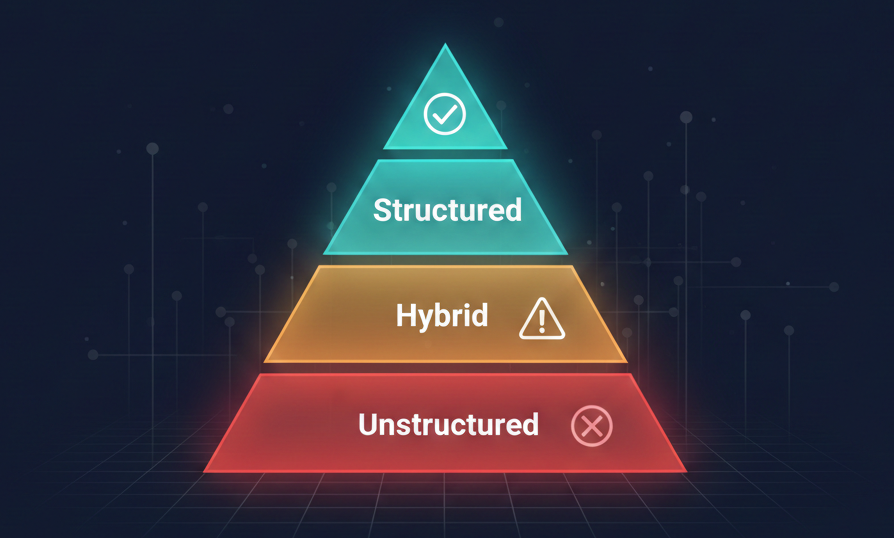
The industry frames hybrid vs. structured as parallel options. They're not. Hybrid is a subset of structured. Here's what that means for your ISO 20022 migration.
Structured addresses are mandated under ISO 20022. Hybrid is the minimum fallback — not an equal alternative. Here's exactly what EPC 153-22, SWIFT CBPR+, and CPMI Requirement #11 require, with direct citations.
SWIFT stops accepting unstructured addresses. EPC schemes start rejecting. And the implementation window is already shorter than most institutions realise.